



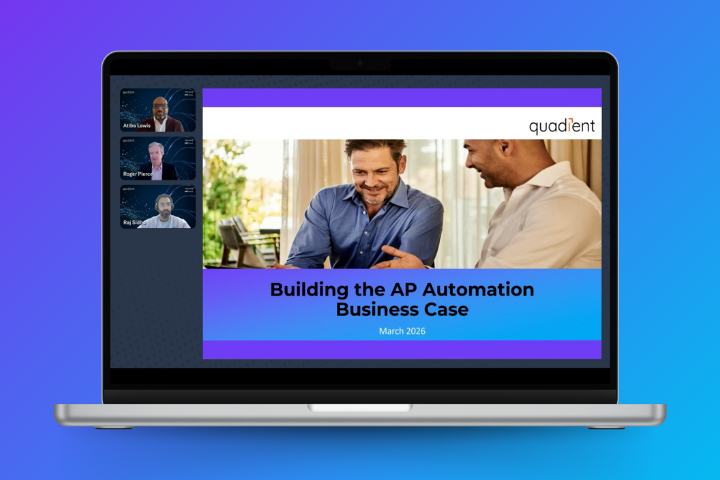
Building a strong case for AP automation is often the hardest part of getting started. Most finance teams already know manual AP creates delays, errors, and extra work. The challenge is turning those operational frustrations into a business case leadership will actually approve. That’s exactly why we created this webinar — to help finance teams connect AP automation to the metrics CFOs and executive stakeholders care about most.
Building Strong AP Automation Business Cases is a practical session focused on helping finance leaders move beyond general efficiency claims and build a more credible, leadership-ready case for change. Instead of relying on vague promises, this webinar shows how to frame automation around ROI, total cost of ownership, risk reduction, and the cost of doing nothing.
Designed for teams struggling to get leadership buy-in, this session focuses on what actually makes a proposal land — clear numbers, conservative assumptions, and business value that goes beyond workflow improvement. It helps you identify the hidden cost of manual AP, prepare for common objections, and build a case that feels financially grounded rather than overly optimistic.
Watch the on-demand webinar featuring Roger Pierce, Author, Speaker, and Host of The Unsure Entrepreneur Podcast, alongside Atiba Lewis, Founder of ATL Workflow Automation Inc., and Raj Sidhu from Quadient, to see how to:
• Quantify the real cost of manual AP processes, including delays, exceptions, and hidden inefficiencies
• Build a practical ROI and TCO model using assumptions leadership can trust
• Reframe AP automation as a strategy for cost control, risk reduction, and better financial predictability
• Address common objections like budget concerns, integration worries, and skepticism around returns
• Strengthen leadership conversations with tools, frameworks, and a more executive-ready message
This isn’t just another automation discussion. It’s a practical guide to helping finance teams make a stronger, more defensible case for change — one that aligns operational needs with leadership priorities.
See how finance teams are using this approach to move AP automation from a good idea to an approved initiative, with a clearer path to efficiency, control, and long-term value.