






Today’s insurance customers aren’t satisfied with boilerplate letters, delayed notices, or endless call center loops. They expect proactive, transparent, and highly personalized communication throughout their entire journey, from onboarding to renewal to claims. And in an era shaped by AI, data access, and rising consumer expectations, the next frontier of insurance communication will be defined by three core qualities: trust, clarity, and responsiveness.
Let’s explore how leading insurers have historically managed customer communications and how they can transform those relationships—not through drastic product changes, but through smarter, more strategic communication at every stage of the policyholder experience.
Predictive Outreach: Anticipating Needs, Preventing Frustration
Then: A homeowner receives a yearly renewal notice for their policy, with a modest premium increase. No explanation is offered. The customer calls, waits on hold, and eventually accepts the update, albeit reluctantly.
Now: A property insurer uses predictive analytics to track storm forecasts and rising risk indicators across neighborhoods. Two weeks before premiums are adjusted, they send targeted alerts to affected customers, outlining the factors that may impact their policies and recommending preventive actions, like roof inspections or flood mitigation. By the time the renewal notice arrives, customers are informed and prepared.
Proactive communication doesn’t just reduce call volumes; it builds confidence. Anticipating needs turns insurers into advisors, rather than simple issuers of documents.
Hyper-Personalization: Going Beyond Name and Policy Number
Then: A life insurance policyholder receives a generic email offering a new rider for critical illness coverage. It feels impersonal, irrelevant, and is promptly deleted.
Now: The same insurer applies AI to identify policyholders in a specific age bracket who have recently added dependents and may benefit from coverage updates. These individuals receive personalized messages referencing their current policy duration, suggesting term extensions or supplemental policies for growing families. Content is dynamically tailored to the user’s preferred channel—email, SMS, or portal notification—and written in a tone aligned with past engagement behavior.
Personalization isn’t just about using someone’s name. It’s about relevance. AI-powered outreach can deepen relationships when it’s driven by insight and delivered with clarity.
Risk Transparency: Explaining the “Why” Behind Costs
Then: A customer’s auto insurance premium goes up by 12%. No one explains why. Frustrated and distrustful, the customer begins shopping for new coverage.
Now: The insurer sends a digital explainer, showing how the premium adjustment aligns with local traffic patterns, theft rates, and recent claims trends in the customer’s ZIP code. The message includes an interactive chart and resources for coverage optimization. The tone is clear and conversational. The result? The customer understands the value, sees the reasoning, and remains with the insurer.
Communicating risk effectively builds trust and transparency strengthens customer relationships.
Seamless Claims and Renewals: From Paper Trails to Omnichannel Journeys
Then: A customer is involved in a fender-bender. They call to file a claim, wait for paperwork, and juggle multiple contacts across departments. Every update requires follow-up.
Now: Upon reporting the incident via a mobile app, the customer receives an immediate text confirmation, an email with repair shop options, and portal access to track claim status. Every touchpoint uses consistent branding and voice. When the claim is approved, a renewal offer with adjusted rates is sent automatically, along with a clear breakdown of how the claim impacted their risk profile.
Streamlined journeys save time for both the customer and the insurer. Intelligent workflows and centralized content management remove friction, reduce delays, and boost satisfaction.
Looking Ahead: Insurers Who Communicate to Prevent Surprises Will Win
By 2026, customer retention won’t be driven solely by pricing or coverage. It will be won or lost in the day-to-day moments of communication. From proactive risk alerts to intuitive claims guidance, insurers who prioritize transparency, empathy, and personalization will lead the market.
The message is clear: Policyholders don’t just want coverage; they want connection. They want to understand their options, feel in control, and trust that their insurer is both watching out for them and communicating with precision and care.
Communication as a Strategic Asset
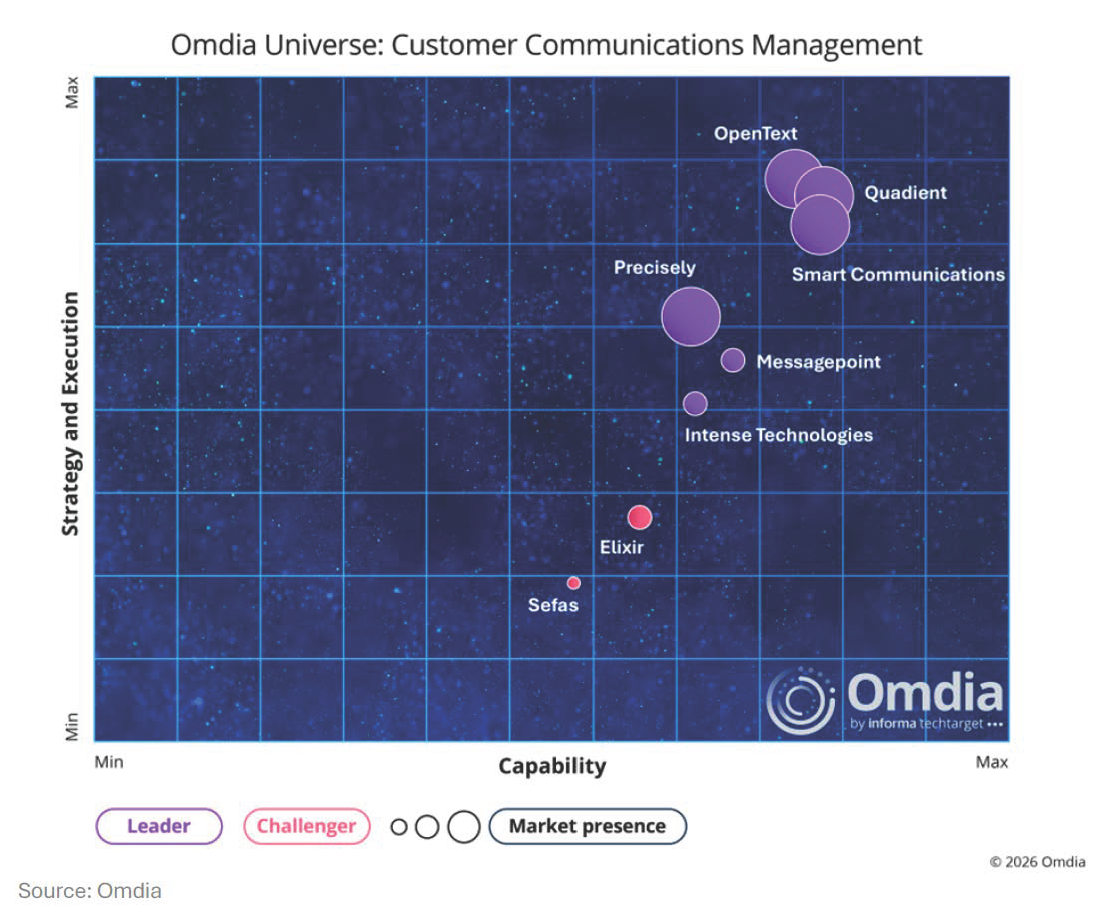
Quadient Inspire™ empowers insurers to unify their communication strategies across product lines, departments, and channels. With built-in personalization, compliance controls, and automation workflows, it allows insurers to move from fragmented messages to seamless journeys, turning customer touchpoints into trust-building opportunities.
In the age of AI and elevated expectations, communications are no longer back-office tasks. They are a strategic front line. The future of insurance belongs to those who treat every message as a moment to partner, guide, and build lasting loyalty.