






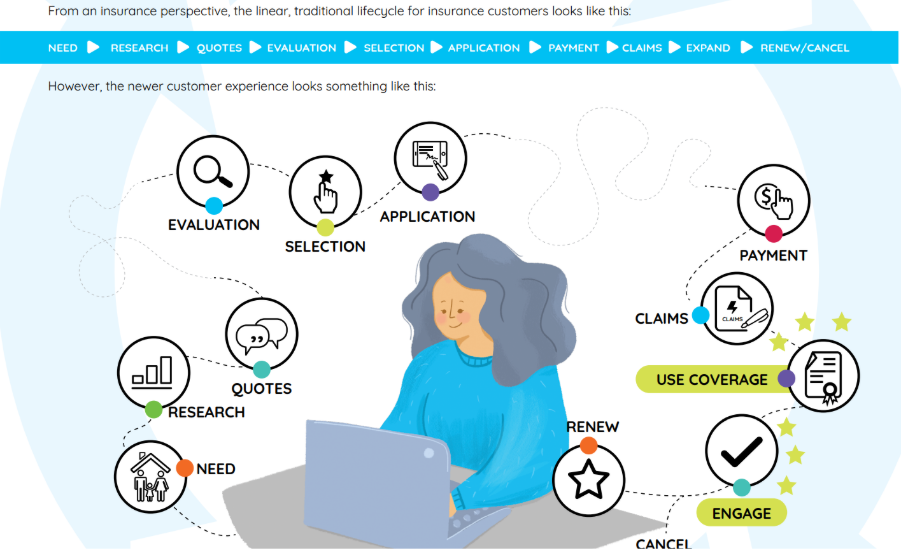
Insurance customers want things to be simple. They want straightforward processes, minimal friction, and a carrier they can trust. In 2026, insurance companies that want to drive growth in the face of rising premiums need to invest in every touchpoint in the customer journey, and according to Forrester, focus on fast issue resolution, proactive communications, personalized policies and seamless claims experiences.
Insurance customers expect simple, fast, and personalized experiences at every stage—quote, onboarding, and claims. Reducing friction, using data to pre-fill information, and providing clear, empathetic communication builds trust and improves retention. The claims experience remains the most critical moment, where proactive updates and low-effort interactions matter most. Insurers that modernize communication workflows and streamline processes deliver stronger customer satisfaction and gain a competitive advantage.
Why Customer Experience Is the New Competitive Differentiator in Insurance
They say you never get a second chance to make a first impression. When the first interaction with an insurance carrier is confusing, cumbersome, or opaque, prospective customers assume that same level of service will continue. A smooth, efficient, and clear quote request process sets the stage for trust and conversion.
The first major moment of truth occurs when a prospective customer requests a quote. This is often where customers form their first meaningful impression of an insurer. At this stage, prospective customers are comparing price, coverage options, ease of interaction, clarity of information, and personalization.
Prospective customers will likely get multiple quotes or compare several coverage options across different insurers, so demonstrating value as early as possible and in a manner that sets you apart from competitors is critical. Consumers use these interactions to assess the quality of service they can expect over the long term.
Prospects are asking the following questions:
- Can I quickly assess what I get for the price?
- Is the information in accessible language or is it complex?
- Does the experience feel personalized or is a lot of the process irrelevant to me?
- Is it being delivered via my preferred channel?
- Am I being asked to input repetitive information?
- Is this process simpler, faster, and better elsewhere?
Insurers that use data to pre-determine an initial set of requirements and ask only the necessary questions to deliver the most accurate information back are winning at the CX game.
Using data intelligently to pre-fill information, minimizing unnecessary steps, and communicating value clearly helps insurers stand out right from the start.
Learn how Quadient's software reduces form abandonment rates.
Improving Onboarding Through Personalization and Data
The onboarding phase is the next interaction that demonstrates to policyholders what they can expect going forward. Unfortunately, many onboarding processes overwhelm customers with redundant questions, unclear next steps, and lengthy setup tasks. And because the typical policyholder lifecycle includes relatively few touchpoints, onboarding may be the last meaningful impression you make before a customer ever needs to file a claim.
Therefore, when onboarding falls short, there’s a high risk of overwhelming your customers and setting the stage for poor CSAT and higher risk of short-term churn. As well as this, a weak onboarding experience can lead to unnecessary calls to your customer service teams which increases support costs, slows resolution times, and frustrates customers before the relationship even begins.
When auditing the existing onboarding experience, consider:
- Is the onboarding experience equally accessible in different formats to account for different customer needs and preferences?
- Are steps personalized based on the information you already have about the customer?
- Are there any duplicate requests for information?
What Customers Expect During the Claims Experience
Arguably the most emotionally charged moment in the insurance lifecycle is the claims process. Customers reach out when they are stressed, uncertain, or dealing with loss. How the insurer responds in this moment defines the customer’s perception of the brand far more than any other touchpoint.
Does the interaction ease or add to the policyholder’s stress and anxiety? To assess this, consider:
- Do policyholders receive clear, proactive updates without having to chase information?
- Are we minimizing effort by avoiding duplicate requests and unnecessary handoffs?
- Do our claims communications feel empathetic, human, and supportive, or transactional and impersonal?
- Can policyholders easily reach a knowledgeable person when they need help?
- How well are our first notice of loss (FNOL) response and claim cycle times performing?
With insurance leaders investing heavily in CX, and Insurtech's disrupting the industry, the expectations from policyholders are constantly being raised. What may have been considered an acceptable experience just a few years ago may now be considered well below the industry standard.
To deliver a competitive policyholder experience, it’s essential to have agile workflows and technology that adapt to changing customer expectations.
Bringing It All Together: Communications as a Competitive Advantage
Across all moments of truth, a common thread emerges: communications are at the centre of your brand. Whether it’s a quote, a welcome message, a claim update, or a renewal reminder, how, when, and where information is delivered matters.
CX leaders demonstrated stronger revenue growth, stronger EBIT growth, lower expense ratios, and higher employee satisfaction scores. -McKinsey
Clear, relevant, timely, and personalized communication through customers’ preferred channels earns trust. Brands that understand the impact of communications on their overall Customer Experience (CX) and remove friction between systems, teams, and channels are more likely to meet customer expectations and build lasting loyalty.