





Manual AP and AR processes rarely fail suddenly. They struggle quietly, until pressure exposes the cracks.
High invoice volumes, tight close timelines, approval delays, and poor visibility aren’t just year-end issues. They exist all year round. Busy periods simply make them harder to ignore.
A recent Quadient webinar explored why manual workflows don’t scale and how automation helps finance teams regain control across payables and receivables.
The Real Problem With Manual AP & AR
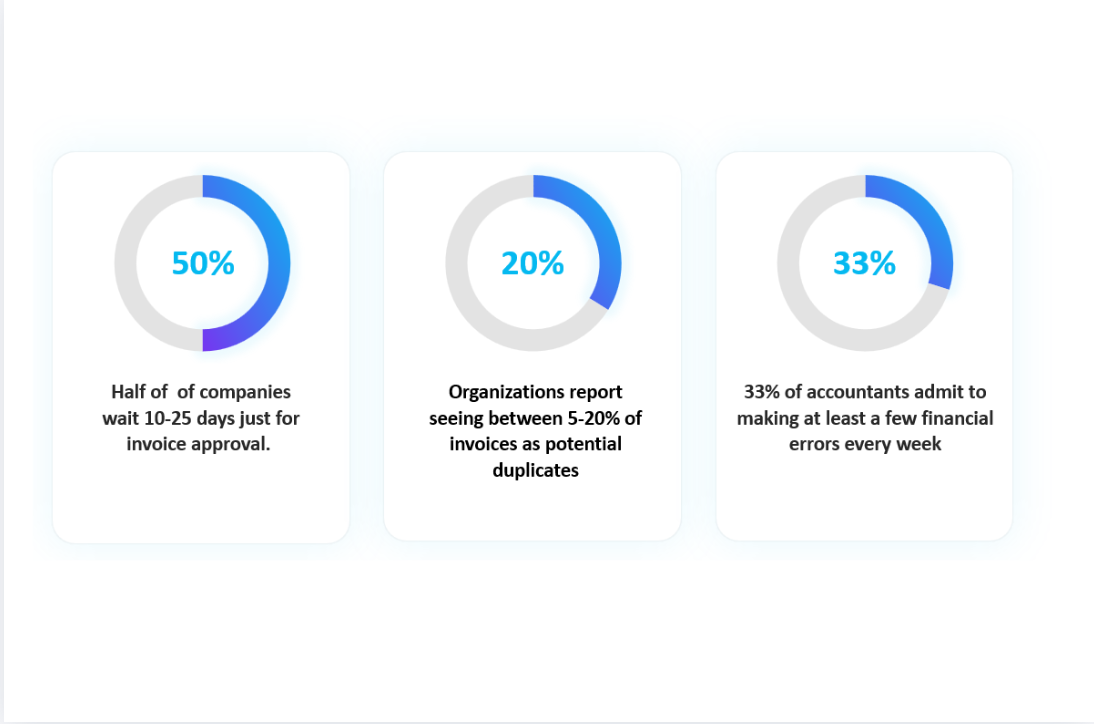
Many finance teams still rely on spreadsheets, email-based approvals, and disconnected systems. While workable at low volumes, these processes create friction as workloads grow.
Common challenges include:
Delayed approvals and missed deadlines
Duplicate payments and unapplied cash
Limited real-time visibility
Increased error and fraud risk
When pressure increases, teams often compensate with overtime and manual workarounds, a sign that processes are stretched, not scalable.
How AP & AR Automation Improves Efficiency
Automation removes manual bottlenecks and builds consistency into finance workflows.
Accounts Payable automation enables:
Invoice capture and validation at the point of entry
Automated approval workflows
End-to-end tracking with audit-ready visibility
Accounts Receivable automation helps teams:
Accelerate cash application
Identify disputes earlier
Improve forecasting accuracy by up to 94%
The result is faster cycles, fewer errors, and the ability to handle higher volumes without increasing headcount.
Pressure-Test Your AP & AR Workflows
During the session, finance teams used a practical workflow scorecard to assess transaction volume, process complexity, and risk exposure.
This approach helps identify whether AP and AR processes are sustainable, not just during peak periods, but month after month.
ERP Integration Without Disruption
A common concern with automation is ERP integration. Quadient’s AP and AR solutions are ERP-agnostic and integrate with most accounting systems, including Sage, Xero, QuickBooks, Microsoft Dynamics, NetSuite, SAP, and Acumatica.
Implementation is fast:
AP: typically 2–4 weeks
AR: typically 8–10 weeks
No platform changes required.
Build AP & AR Processes That Scale All Year
AP and AR automation isn’t just about speed. It’s about reducing risk, improving visibility, and creating workflows that hold up under pressure.
By eliminating manual processes, finance teams can:
Reduce processing costs by up to 80%
Cut manual data entry by 83%
Gain real-time control over cash flow
Use the AP/AR workflow scorecard to evaluate your current processes and see whether automation can help your team move from reactive to resilient.